Do Expensive Controllers Offer Better Performance?
14 June 2026
You’re standing in the gaming aisle (or let’s be real — scrolling through Amazon at 2 AM), eyeing that flashy controller with LED lights, extra paddles, and a price tag that makes your wallet cry. And you ask yourself the age-old gamer question: _“Do expensive controllers actually make me better, or am I just paying for bling?”_
Welcome to the rabbit hole. Let’s break this down pixel by pixel, because we’re diving head-first into the world of gaming gear to figure out if pricey controllers are worth the investment — or just expensive pieces of plastic designed to show off on Twitch.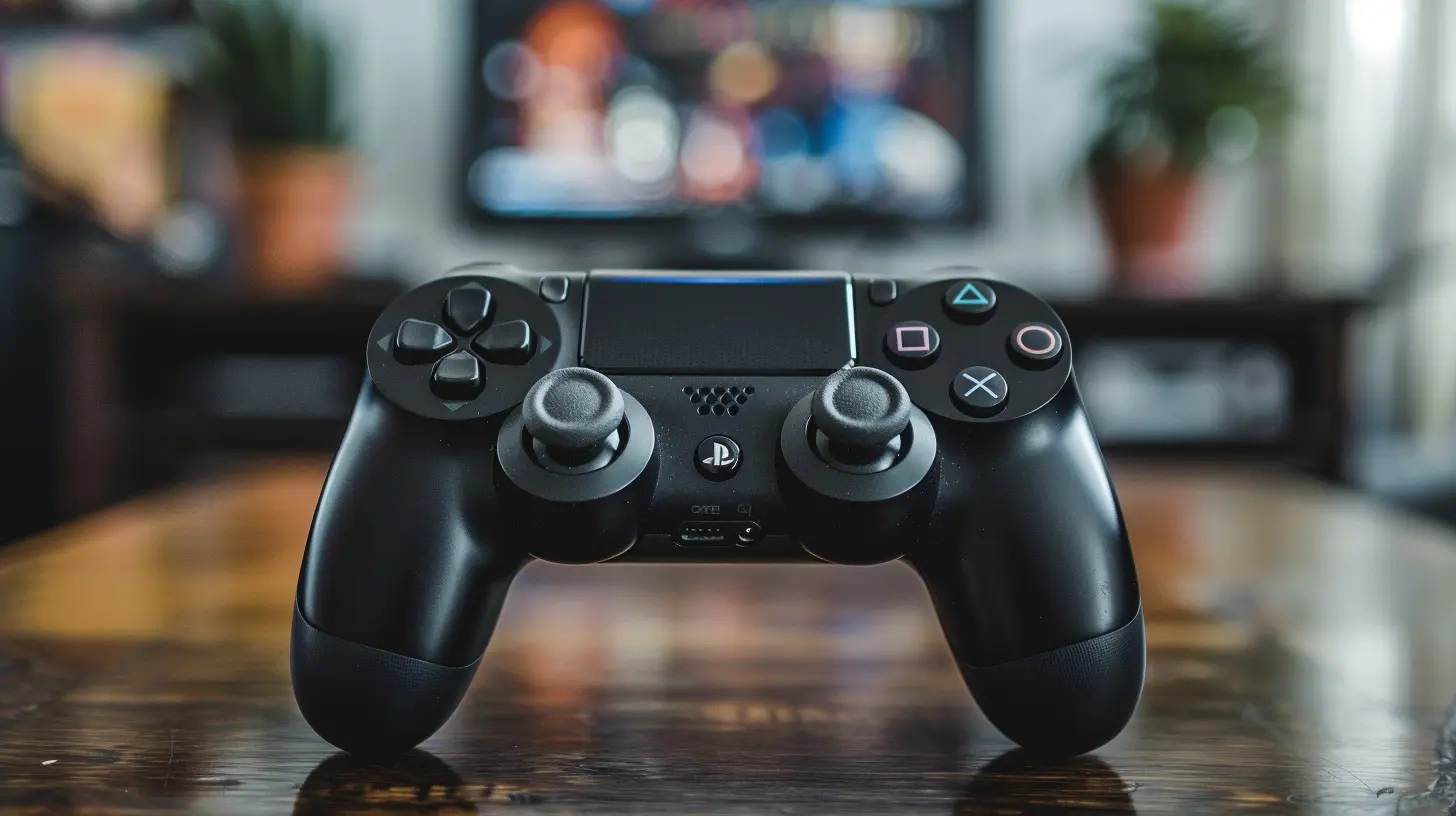
✨ What Even Is an Expensive Controller?
Before we whip out our metaphorical magnifying glass, let’s define what we’re talking about.An “expensive controller” usually means anything priced notably above the standard first-party controllers. So if a regular PS5 or Xbox Series X controller costs around $70, then anything in the $120–$250+ range starts raising eyebrows and breaking piggy banks.
These big boys often come with:
- Remappable buttons
- Adjustable triggers
- Swappable thumbsticks
- Custom grips/textures
- On-the-fly profile switching
- Wireless + wired modes
- RGB lighting (because obviously)
You’ve probably heard names like the Xbox Elite Series 2, Scuf Instinct Pro, Razer Wolverine, or the DualSense Edge. They’re marketed as pro-grade weapons for competitive gamers. But does elite price equal elite gameplay?
? The Performance Breakdown: Hype or Help?
Let’s dig into the meat of this — do these controllers actually improve performance, or are they just the gaming version of wearing a Gucci belt at the arcade?1. Input Customization: A Game-Changer (Sometimes)
Ever wish you could pull off a slide-cancel while aiming without taking your right thumb off the stick? That’s where paddles or back buttons come in — and they’re arguably the crown jewel of high-end controllers.By assigning actions like jump or reload to back paddles, you keep your thumbs on the sticks at all times. This can literally shave milliseconds off your response time. In fast-paced shooters like Call of Duty or Apex Legends, that’s the difference between fragging out or watching the kill cam... again.
? _Real talk: Paddles are like turning your controller into a weaponized Swiss Army knife._
2. Trigger Stops: Faster Than a Speeding Bullet
Trigger stops limit how far you have to press the trigger before it registers. Instead of pressing down fully, you barely need to “tap” it. This is insanely helpful in FPS and fighting games where reaction time is king.But — and this is a big ol’ but — if you’re playing a game that needs analog trigger input (like racing games where throttle control matters), trigger stops might actually get in your way. Many premium controllers let you adjust this on the fly, which is nice but also means more fiddling time.
3. Stick Sensitivity and Swapping: Precision or Preference?
Some controllers let you swap out your thumbsticks — different heights, shapes, and tension levels. The idea is to tailor your sticks to different styles. Longer sticks = finer precision. Shorter sticks = quicker movements.Cool? Definitely. But does that make you a better player? That’s where things get… mushy. If you're already high-skill and want perfect aim down to the angle of a mosquito’s sneeze, this helps. For casual players? Probably won’t make a night-and-day difference.
4. Build Quality: Luxury or Longevity?
Expensive controllers generally feel more solid. They’re built with better materials, textured grips, and often come with carrying cases, extra thumbsticks, and USB-C cables that don't snap in a week.But does it improve performance?
Not directly. But let’s be real, a comfortable controller you trust does make a difference during marathon gaming. Your fingers will thank you later.
? The Biggest Question: Is It Worth Your Money?
Here’s the thing — gaming gear is a classic case of “you get what you pay for”… until you don’t.If you’re a competitive gamer aspiring to go pro, stream full-time, or just want every advantage possible? Yep, an expensive controller can absolutely enhance your experience. You’ll react faster, customize inputs, and play more comfortably.
But if you’re a weekend warrior grinding Fortnite after school or work? Regular controllers can still carry you to Victory Royales just fine.
? _It’s not about the controller. It’s about who’s holding it._
? The Psychology of "Buying Skill"
Let’s get deep for a sec.There’s this sneaky little thing called the “placebo effect.” When you buy something expensive, your brain wants to believe it’s better. You feel more confident. You believe you're playing better. And sometimes, that belief actually improves your performance.
So yes — part of the reason expensive controllers feel better is because your brain is tricked into confidence mode.
But hey, if feeling like a gaming god makes you play like one? That’s a W in my book.
?️ Customization vs. Complexity: Love It or Leave It?
One thing nobody tells you: expensive controllers can be overwhelming.- Too many buttons?
- Accidentally trigger the wrong paddle?
- Spend hours tweaking sensitivity settings you don’t understand?
Yeah, it happens. Some gamers end up hating their expensive controller because it just overcomplicates things.
If you're the kind of person who downloads a new app and never opens the settings? Maybe stick with simpler gear.
⚖️ The Middle Ground: Budget Mods and Alternatives
You don’t have to sell a kidney to level up your input game.Here are some budget-friendly ways to soup up your controller without going full baller:
- Back button attachments (like Sony's Back Button Attachment for DualShock 4)
- KontrolFreek thumbstick extenders for aim precision
- Grip tape or performance thumb grips (cheap but effective)
- Trigger stoppers or hair trigger mods
These won’t break the bank but can still boost your performance noticeably.
? _It's like attaching nitrous to your go-kart. Not a Ferrari, but still speedy._
? Real Player Experiences: Do the Pros Actually Use Them?
Let’s zoom in on the esports and pro gamer scene.Guess what? Almost every pro in competitive FPS games uses a pimped-out controller. Think Scuf, Elite Series 2, or custom modded setups.
But here's the catch — these guys already have insane reflexes, map knowledge, and game sense. Their high-end gear just helps squeeze out that extra 5% edge.
Would that same controller suddenly turn you into Shroud? Nah. But it could assist your climb from average to above-average if you put in the time and training.
? A Quick Buyer’s Checklist: Is It Time for the Upgrade?
Run through this mental cheat code before you buy:- ✅ Do you play competitive or ranked modes seriously?
- ✅ Are you frustrated with thumb-slip, trigger delay, or awkward controller grips?
- ✅ Do you want remappable buttons or quicker inputs?
- ✅ Are you cool with spending time customizing your setup?
- ✅ Got the budget?
If you checked most of these off: congrats, you are ready for a premium controller — responsibly, of course.
If not? Stick with your current setup and focus on sharpening your skills. You’ll get more wins through better strategy than shinier hardware.
Remember — no one ever said, “Wow, that controller carried him to Platinum." Skill, baby. Skill.
?️ Final Thoughts: Are You Paying for Power or Prestige?
Expensive controllers can offer legit performance perks — quicker inputs, better ergonomics, greater customization. Are they magic wands? Nope. But in the right hands, they’re absolutely weapons of mass domination.Just know what you’re paying for:
- Competitive edge? ✅ Possibly.
- Better aim? ✅ If you use the features right.
- Instant MVP mode? ❌ Nope. You still gotta grind.
So next time you’re tempted by that $200 controller with an RGB light show and space-age rumble motors, ask yourself — _is that what I need to get better, or just what I want to feel cooler?_
And hey — no shame either way. Sometimes gaming is about the vibes. Just don’t forget to plug it in and bring the skills to back it up.
all images in this post were generated using AI tools
Category:
Game ControllersAuthor:

Francesca West
Discussion
rate this article
2 comments
Lorna Johnson
Expensive controllers often enhance comfort and precision, improving overall gaming experience.
September 19, 2026 at 2:38 AM
Francesca West
While expensive controllers can enhance comfort and precision, the real difference often comes down to personal preference and play style.
Valen McQuillan
Quality gear can elevate gameplay!
June 15, 2026 at 3:09 PM
Francesca West
Absolutely, quality gear can make a difference, but skill and practice are what truly elevate gameplay.