Can One Controller Rule Them All?
30 January 2026
If you're anything like me, your gaming setup probably looks like a mini museum of controllers. You've got your Xbox controller, your DualSense, maybe a Nintendo Pro Controller, and for those retro days, a good ol' SNES pad. And let’s not even get started on PC gamers—where the keyboard and mouse reign supreme, but still, a controller often finds its way into the mix.
So, here comes the golden question: _Can One Controller Rule Them All?_ Can we have a universal controller that seamlessly connects with every platform and gives that oh-so-satisfying gaming experience across the board?
Let’s take a deep dive and unpack whether the "One Controller" dream is realistic, or just a geeky fantasy we’ll forever chase like a legendary loot drop.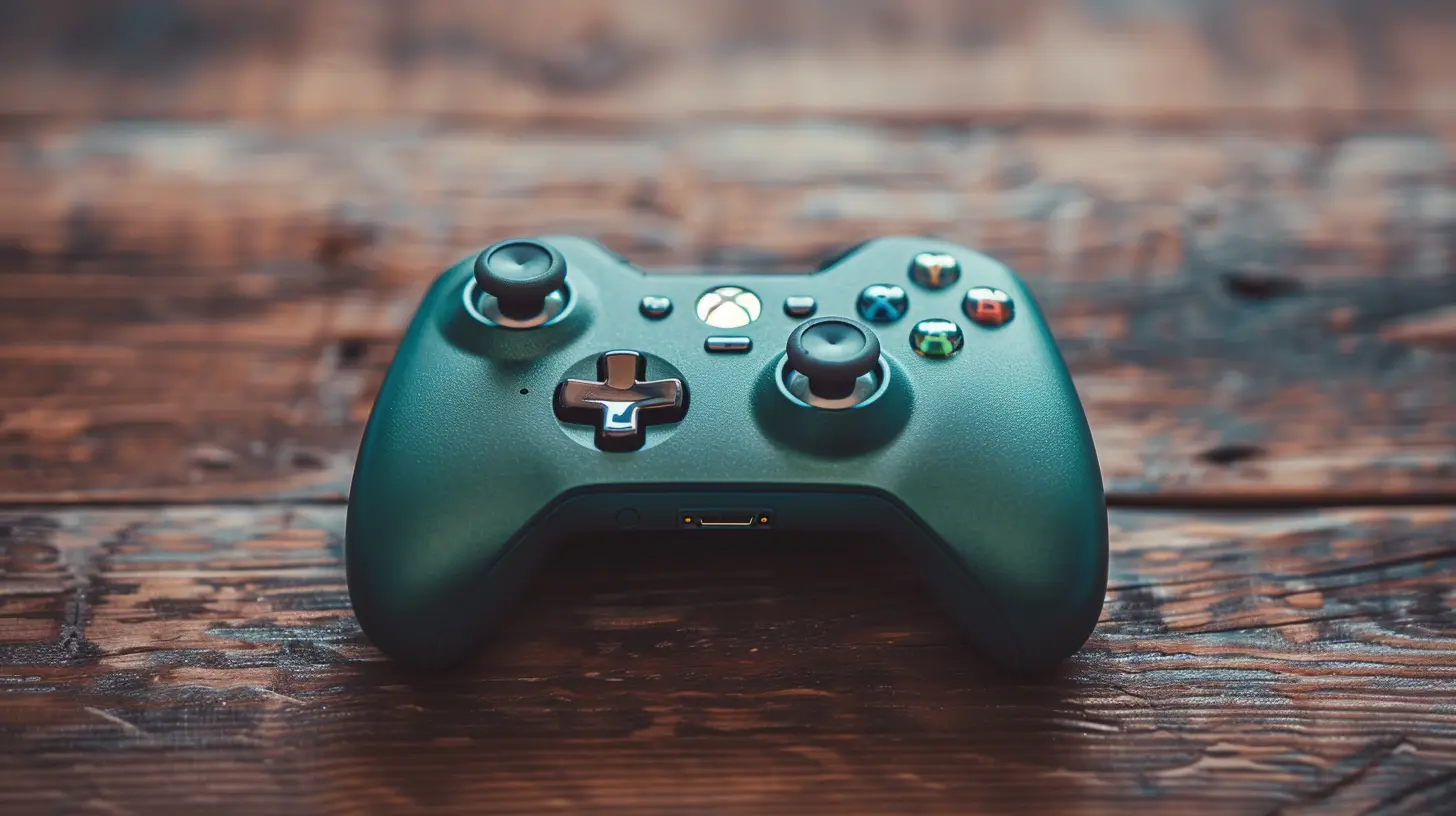
The Current Controller Landscape 🌍
Before even dreaming of a universal controller, let’s look at the current state of the controller jungle.Different Platforms, Different Standards
Each major gaming platform comes with its own controller—Microsoft has the Xbox controller lineup, Sony boasts the DualShock and DualSense, Nintendo has Joy-Cons and the Pro Controller, and PC... well, it’s the wild west on PC.Every controller is tailored to its ecosystem. Button shapes? Unique. Layouts? Slight differences. Features? Totally varied—think about the DualSense’s adaptive triggers vs. the Nintendo HD Rumble. Not to mention proprietary wireless tech that locks you into their ecosystem like a digital bear trap.
Compatibility Is a Mixed Bag
Now, yes, there are adapters and third-party software that let you use a PS5 controller on your PC or even adapt it to an Xbox. But is it flawless? Not really. You’ll eventually hit a wall—like missing features, input lag, or weird mapping issues.Trying to juggle compatibility across all your devices is like trying to plug a square peg into five differently shaped holes.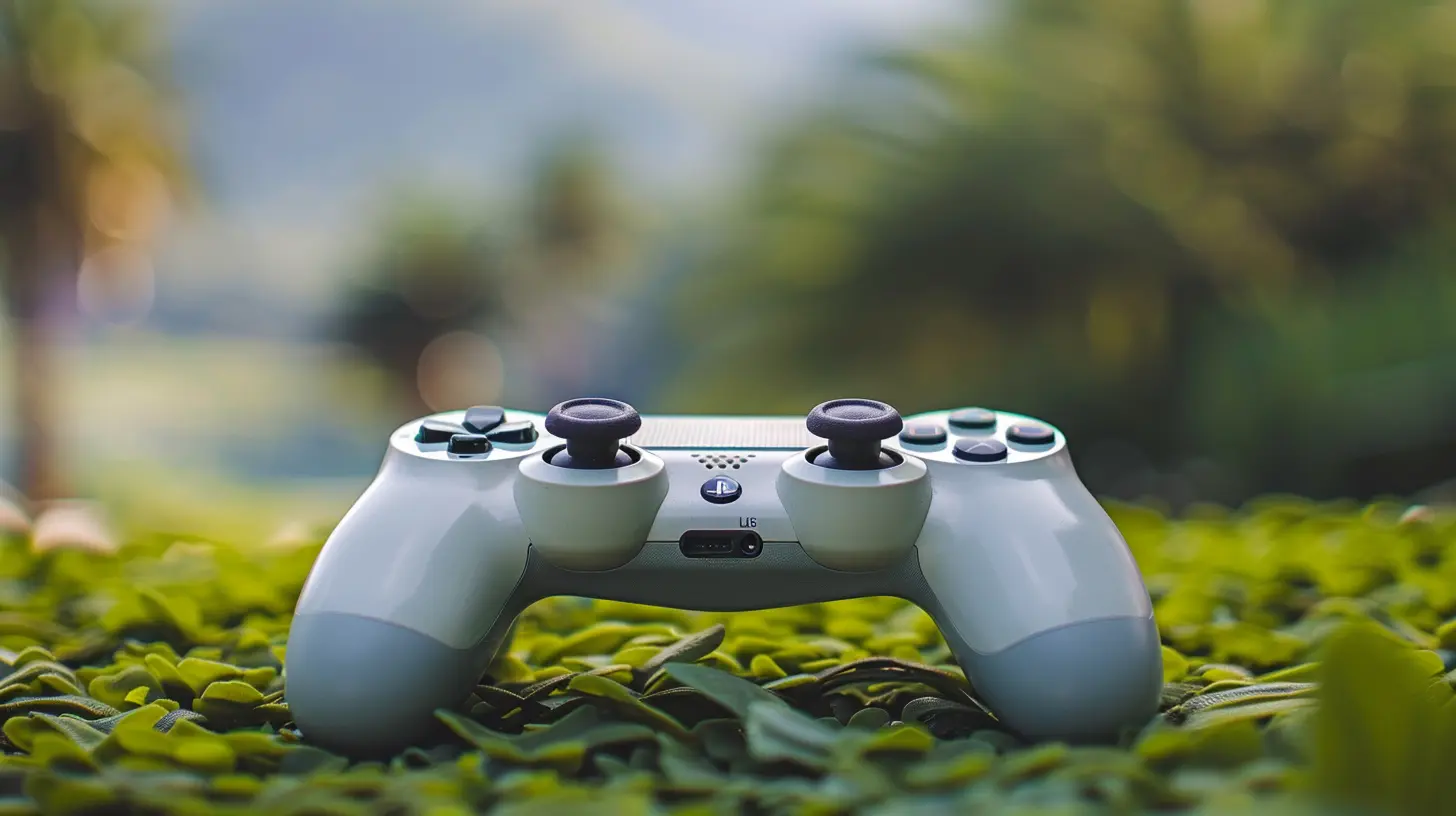
The Holy Grail: Why We Want One Controller
Why does the idea of a universal controller sound so good? Well, imagine this:- No more switching controllers when moving from console to PC.
- No more relearning slightly different button layouts.
- No more dead batteries on one controller while three others sit fully charged.
- And maybe, just maybe, one less USB dongle in your drawer. (Praise be.)
Streamlined Gaming Experience
One controller to rule them all would give us a streamlined, minimalist gaming experience. It's not just convenient—it’s smart. Like having one remote for all your streaming services instead of five different ones. Freedom, baby.The Rise of Cross-Platform Play
With cross-platform gaming becoming the norm (hello Fortnite, Call of Duty, Apex Legends), the desire for a consistent gaming input experience has never been stronger. It’s weird jumping from an Xbox layout on console to a DualSense on your PS5 to a mouse and keyboard on PC, don’t you think?Having a universal controller makes sense in a world where platform boundaries are blurring and gamers are more united than ever.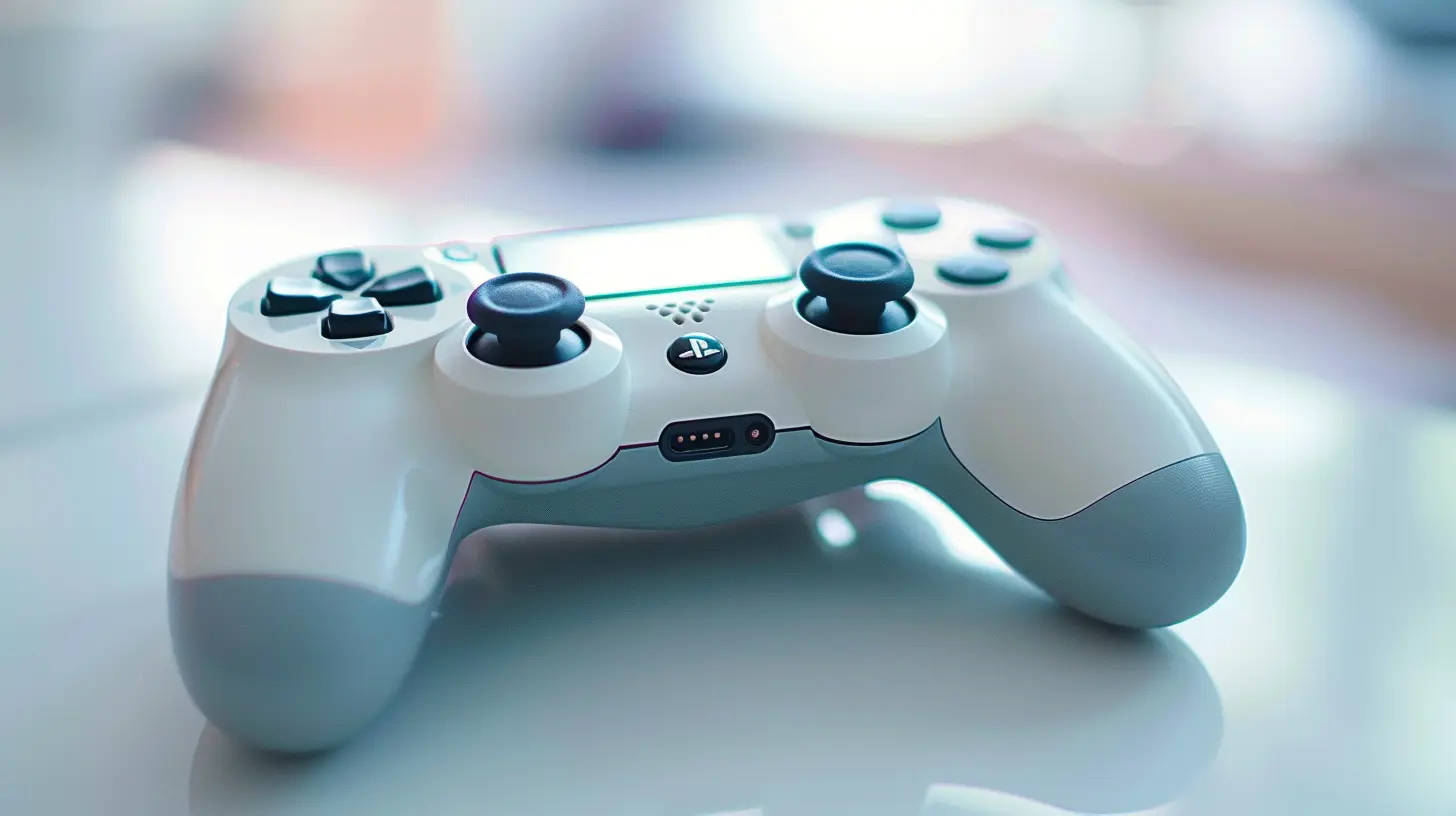
What Would the Ideal Universal Controller Even Look Like?
Let’s be dreamers for a second. What would the "One Controller" look and feel like?Ergonomics That Everyone Loves
First off, it has to feel good—really good—in hands of all sizes. Somewhere between the Xbox Series X controller’s comfy grips and the Nintendo Switch Pro Controller's balanced weight. You know, that “Goldilocks” feel—not too big, not too small—just right.Customizable Layouts
A big win would be modular button layouts. Think magnetic buttons or swappable thumbsticks like the Xbox Elite Series. So whether you’re used to offset sticks or symmetrical ones, you’re covered.Heck, throw in paddles, back buttons, and sensitivity adjustments while you're at it. This is the controller of dreams, after all.
Cross-Platform Wireless Tech
Here’s the tricky part—wireless connectivity. You’d need a controller that uses universal standards like Bluetooth or USB-C, but also somehow plays nice with proprietary console systems. This means Sony, Microsoft, and Nintendo would need to agree on a shared tech platform.Spoiler alert: That’s probably not happening anytime soon.
The Tech Challenges (And Why It’s So Hard)
Let’s not sugarcoat it—there are a lot of hurdles standing in the way of the One Controller dream.Proprietary Protocols
Console makers use exclusive protocols to secure their turf. Microsoft’s Xbox controllers use a different wireless system than Sony’s controllers, and Nintendo has its own flavor, too. These aren’t just plug-and-play technologies; they’re deeper than that—designed to keep you in their ecosystem.Exclusive Features
Each controller has features that are unique to their platform—Sony’s haptic feedback, Nintendo’s motion sensors, Xbox’s textured triggers. These are selling points. If you had a universal controller, you’d either lose those features or have to pack them all in—making the controller more expensive and possibly bulkier.Business Incentives
Let’s be real—Sony, Microsoft, and Nintendo don’t want to give up control (pun intended) over their accessories marketplace. Controllers are money-makers. Why would they willingly open the gates to one single device replacing their first-party hardware?That’s capitalism, baby.
Are We Already Close to a Universal Controller?
Funny enough, we might be closer to the dream than we think.Xbox Controllers: The Closest We Have Right Now
Believe it or not, Xbox controllers are already halfway there. You can use them on Xbox consoles, Windows PCs, and even Android devices. They connect via Bluetooth. They’re pretty much the Swiss Army knife of controllers.And their layout? Universally accepted in the gaming scene, making them a go-to for many.
Steam Input Magic
Valve’s Steam Input system is a quiet hero here. It allows you to use pretty much any controller with Steam games—including mapping features and profiles. Plug in a Switch Pro Controller or a DualSense, and Steam works its voodoo to make it usable.Still, it’s not perfect across all PC games—just Steam ones. So there’s that.
Third-Party Options
Companies like 8BitDo, SCUF, and PowerA are trying hard to create multi-platform controllers. Some 8BitDo models support everything from Nintendo Switch to Windows, macOS, and even Raspberry Pi.But again, they’re still dancing around the issue—working with, not inside, the console ecosystems.
The Case for Modular, Ecosystem-Free Gaming
Let’s zoom out for a second.Tech is moving toward modularity. Look at the Steam Deck. Look at cloud gaming. Look at game streaming from consoles to phones or browsers. All signs point to ecosystems blending and hardware becoming more fluid.
So why not controllers?
If hardware makers could agree (I know, big "if"), a modular universal controller sounds less and less like a pipe dream and more like a natural evolution.
We’ve done it with USB-C charging. We’ve done it with universal remotes. We can do it with controllers too… theoretically.
The Consumer Voice Matters
Here’s the kicker—you! The gamer. The more we demand cross-play, cross-save, and cross-device support, the more pressure we put on the industry to innovate.Gamers are speaking with their wallets. Look at how many people use Xbox controllers on PC. Look at the popularity of third-party customization kits.
If the appetite is there, eventually, the manufacturers will have to listen. Right?
What's the Realistic Future?
So, will one controller ever rule them all? Here's the brutally honest answer:Probably... kind of.
We may never get a true “one size fits all” controller that works perfectly across every machine. But we’re definitely inching closer to a world where controllers are more adaptable, more customizable, and more cross-platform than ever before.
The dream might not be one perfect controller, but rather a generation of very good ones that work across more devices, with companies embracing open standards, instead of guarded exclusivity.
Now that’s a future I can get behind.
Final Thoughts
So, back to the original question—_Can One Controller Rule Them All?_ The hopeful gamer in me says yes, but the realist? Not just yet.We're heading in the right direction, though. With the rise of cloud gaming, mobile gaming, and cross-platform titles eating up the charts, the pressure is on for better controller compatibility. And that means we're more likely to see controllers that get close to ruling them all—even if they don't quite wear the crown.
Until then, we can dream, tinker with adapters, and keep that shelf full of controllers—just in case.
all images in this post were generated using AI tools
Category:
Game ControllersAuthor:

Francesca West
Discussion
rate this article
2 comments
Yvonne McIntire
This article beautifully captures the essence of gaming nostalgia and innovation. The quest for a universal controller speaks to our desire for connection and simplicity in a complex digital world. Loved it!
February 1, 2026 at 5:55 PM
Francesca West
Thank you so much for your kind words! I'm glad you resonated with the themes of nostalgia and connection in the article. Your support means a lot!
Alexander McVey
This article raises interesting points about the universal controller concept. While compatibility and convenience are appealing, gamers’ preferences for design, ergonomics, and features must also be considered. Ultimately, a balance between versatility and specialization is key for gaming satisfaction.
January 30, 2026 at 4:01 AM
Francesca West
Thank you for your insights! Balancing versatility with design and ergonomics is indeed crucial for satisfying all gamers. Your perspective adds depth to the discussion!